
Heating and cooling
for the whole town,
from one shared loop.
A community-scale clean energy study for the City of Vandalia, Illinois. Looking to serve the residential community, three schools, the hospital, and potentially the downtown area.
Participation in any future system would be voluntary.
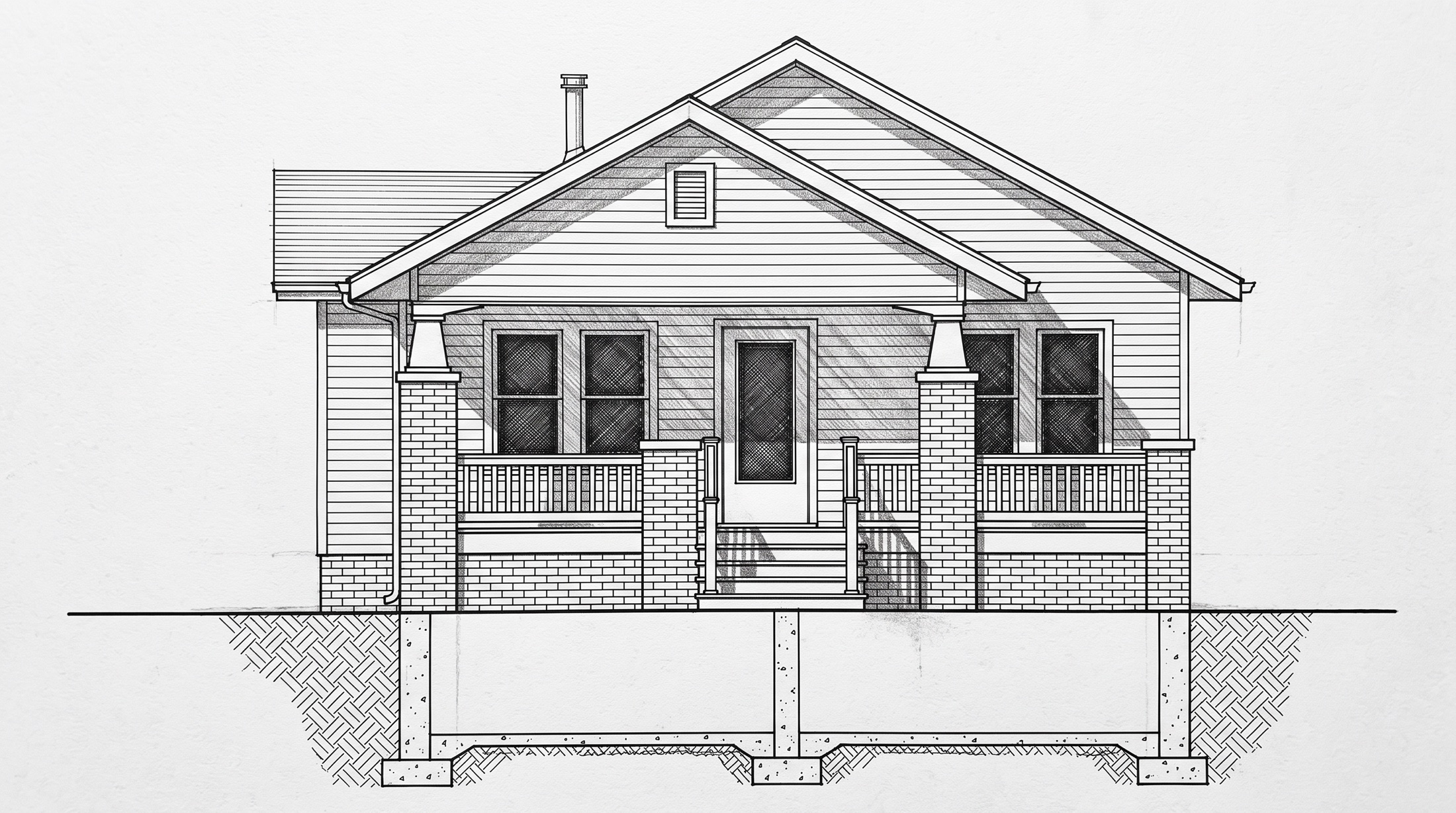
Individual homes connect to the shared loop with their own heat pump inside.
Elementary, junior high, and high school. 1,460 students.
The institutional anchor that lets homes join at their own pace.
Downtown core, potential. Plus the Vandalia Swimming Pool for waste heat recovery.
The City of Vandalia is progressing with the second phase of engineering, which includes reaching out to residents and business owners in Vandalia to explore the potential for community geothermal to provide resilient heating and cooling for individual homes and businesses.
Community Geothermal connects homes, schools, and businesses through a shared underground pipe that uses the Earth's stable temperatures for heating in the winter and cooling in the summer. Each participant has their own dedicated geothermal heat pump inside their structure. This is the same as any utility that provides potable water, natural gas, and even electricity. The difference is that the heating and cooling is created, retained, and distributed in Vandalia.
Community geothermal is one shared loop under the street, connected to a heat pump in every building. Built once, shared by all.
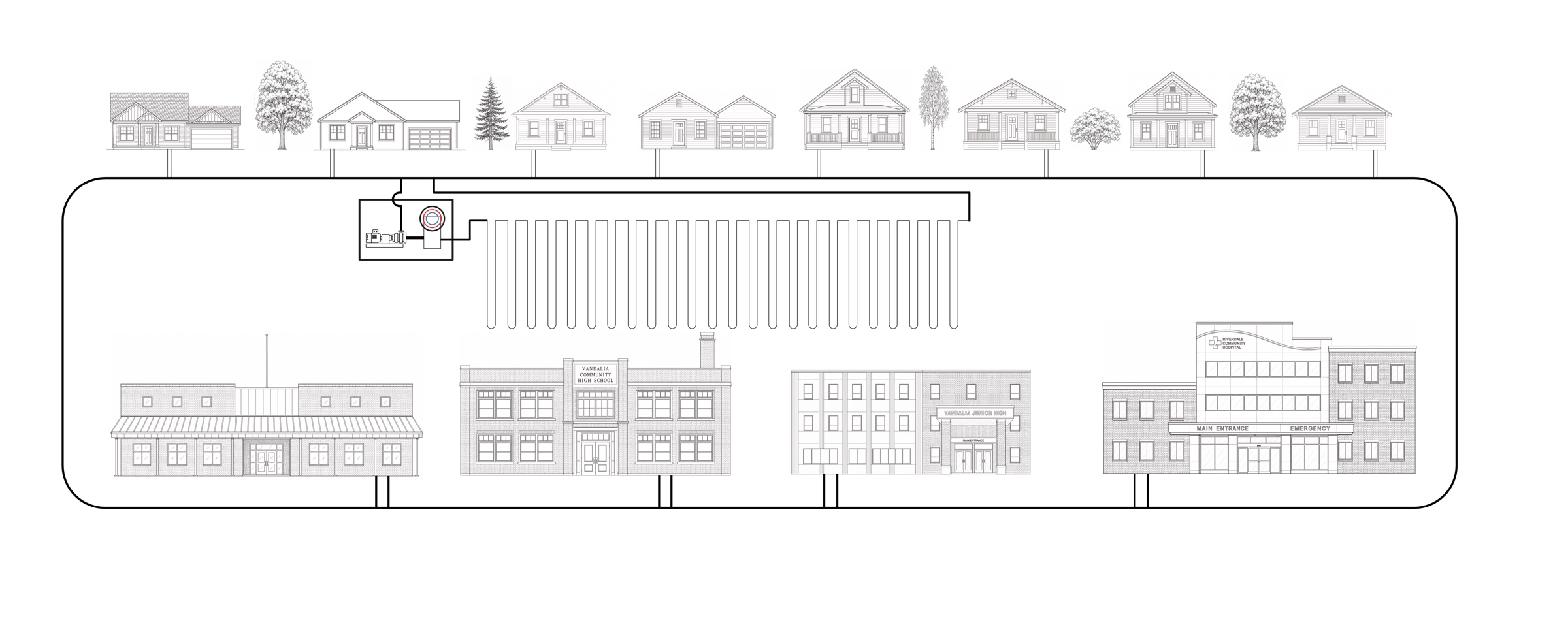
One loop. Homes along the top, the borefield and pump house in the middle, the schools, downtown, and the hospital along the bottom.
Select a heading to read each part.
The ground loop
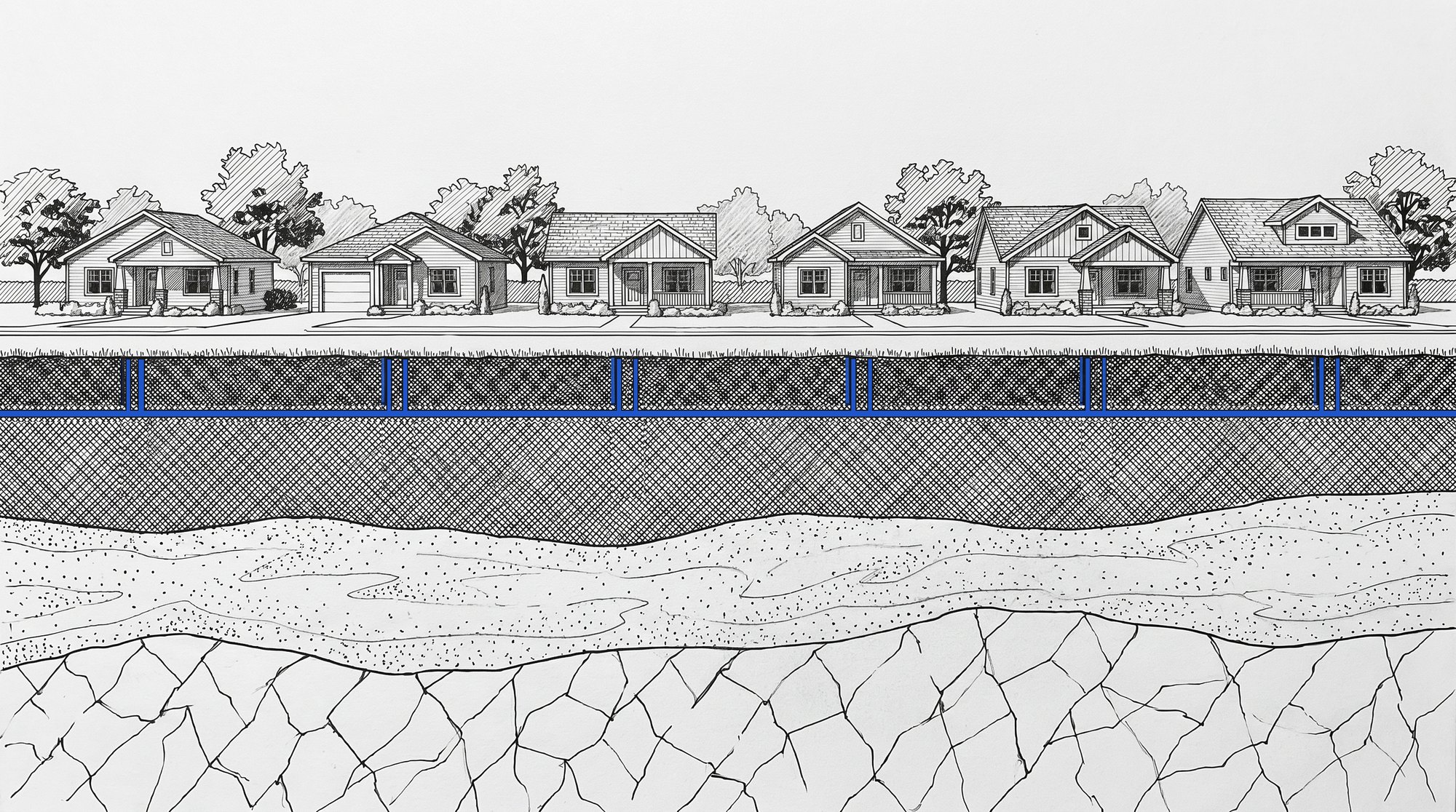
Geothermal heat pumps use the stable temperature of the earth just below the surface. A loop of pipe circulates fluid through the ground, where it absorbs heat in the winter and moves it into the building. In the summer the process reverses: heat is pulled out of the building and put back into the ground.
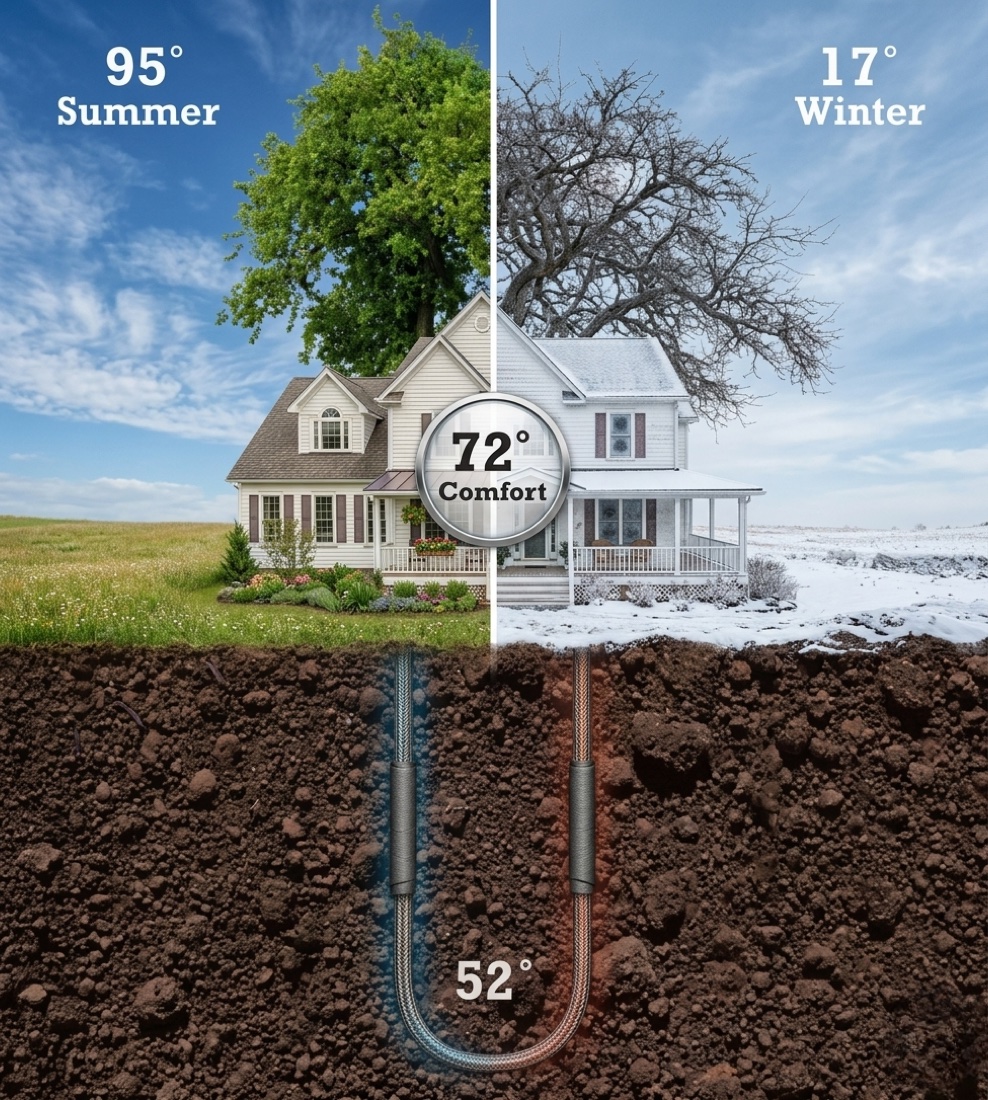
The heat pump
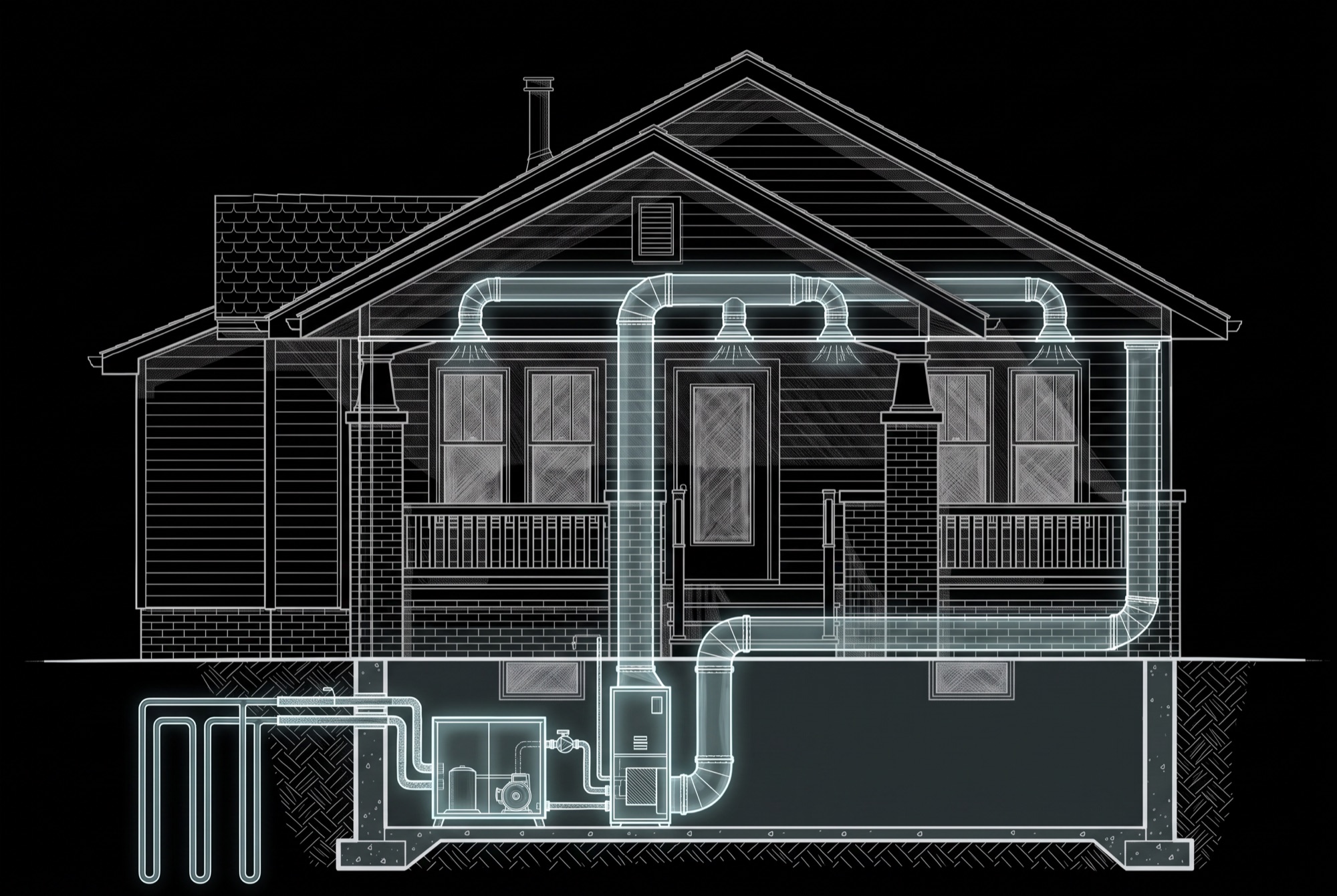
Each building keeps its own geothermal heat pump inside the structure. It can replace the furnace and the air conditioner with one quiet unit, or work alongside them. There is no outdoor equipment. The heat pump is the part you own; the loop under the street is the part you share.
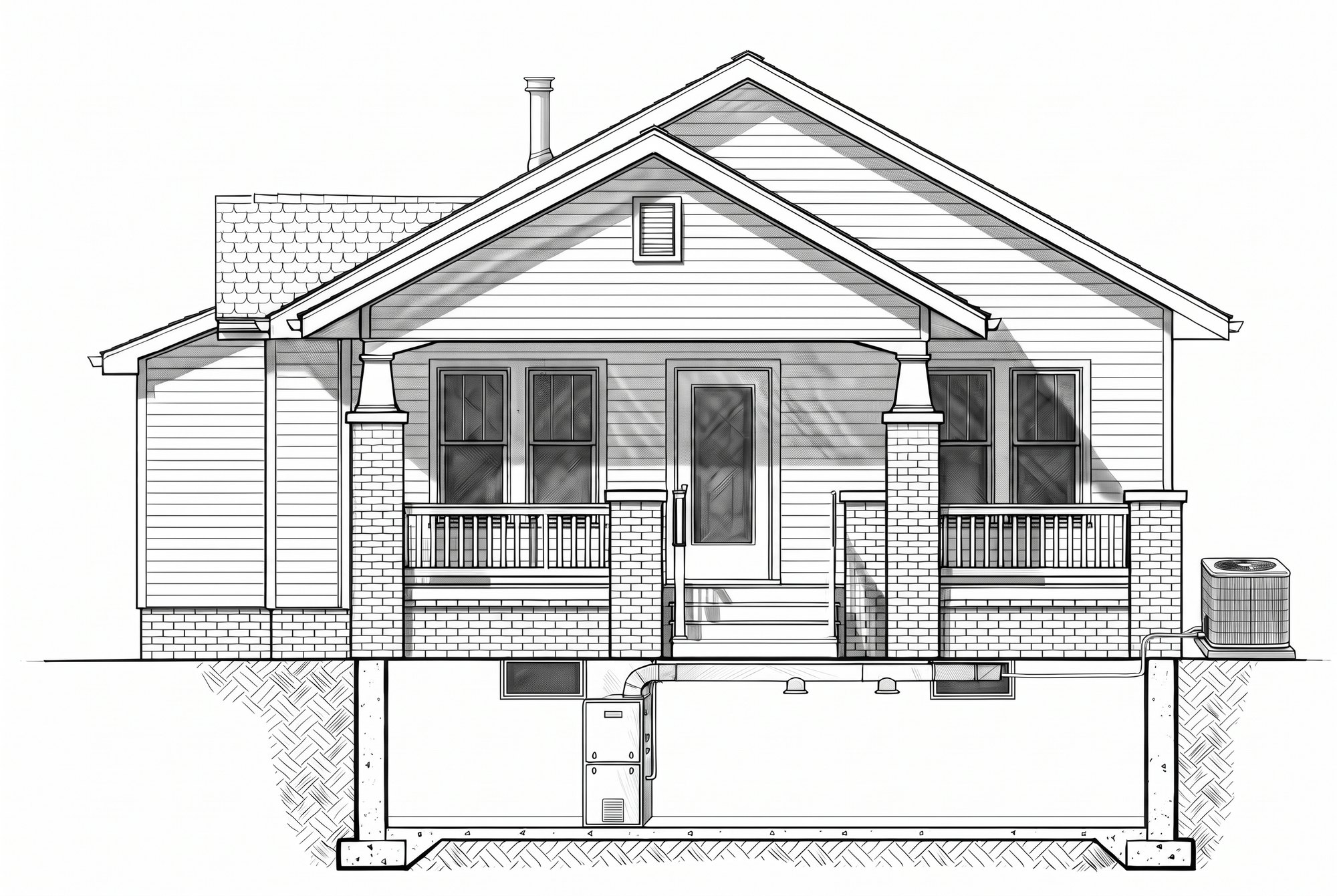 Today: gas furnace and air handler in the basement, AC unit outside.
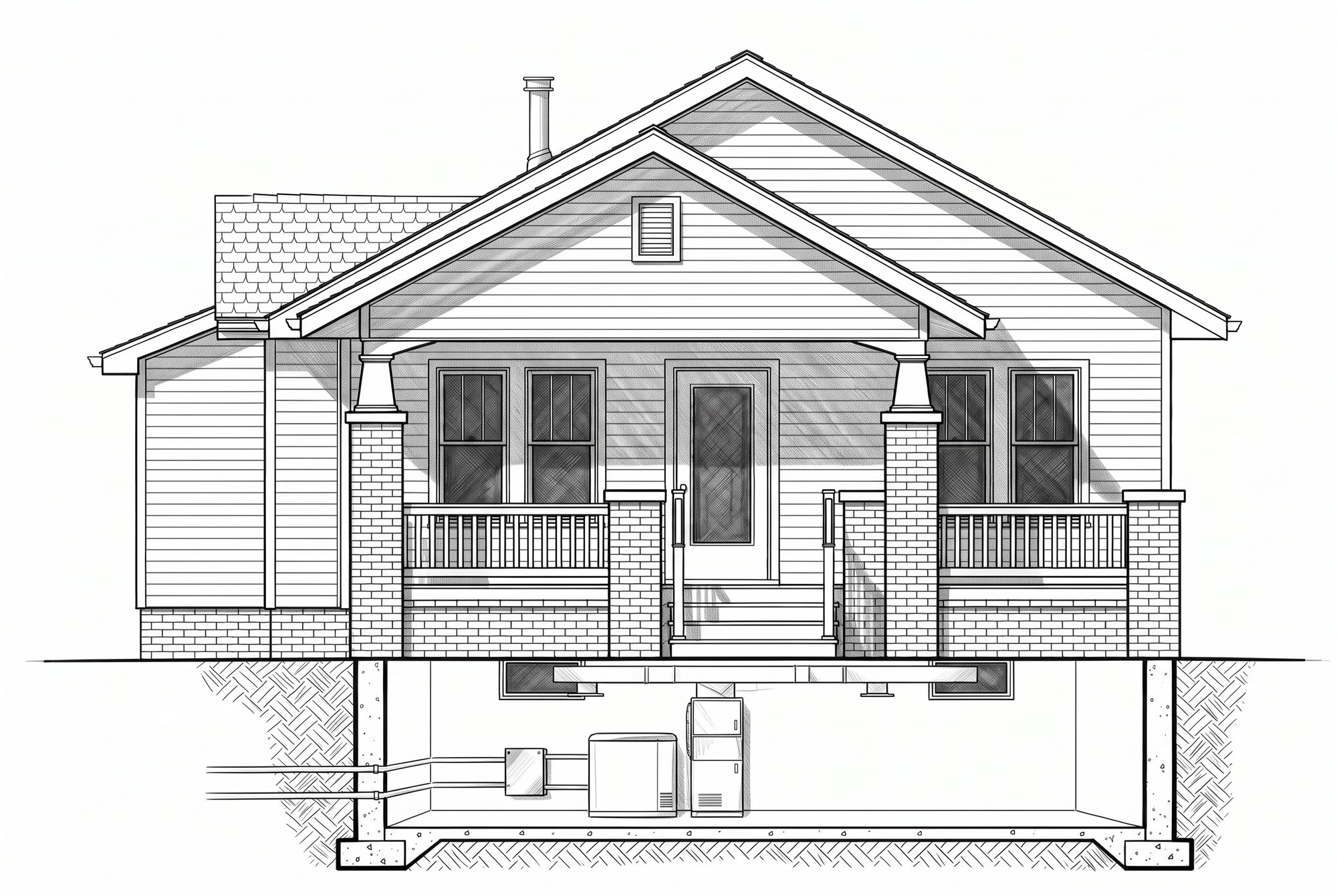 With community geothermal: heat pump, heat exchanger, and air handler in the basement. Nothing outside.
The shared network
Instead of each home drilling its own well, the community uses one shared network of underground piping, wells, and pumps that keeps an ambient-temperature loop beneath the streets. In winter, heat is drawn from the loop into buildings. In summer, excess heat is returned to the loop. Sharing the loop reduces drilling, lowers upfront cost, and lets more homes take part.
The borefield
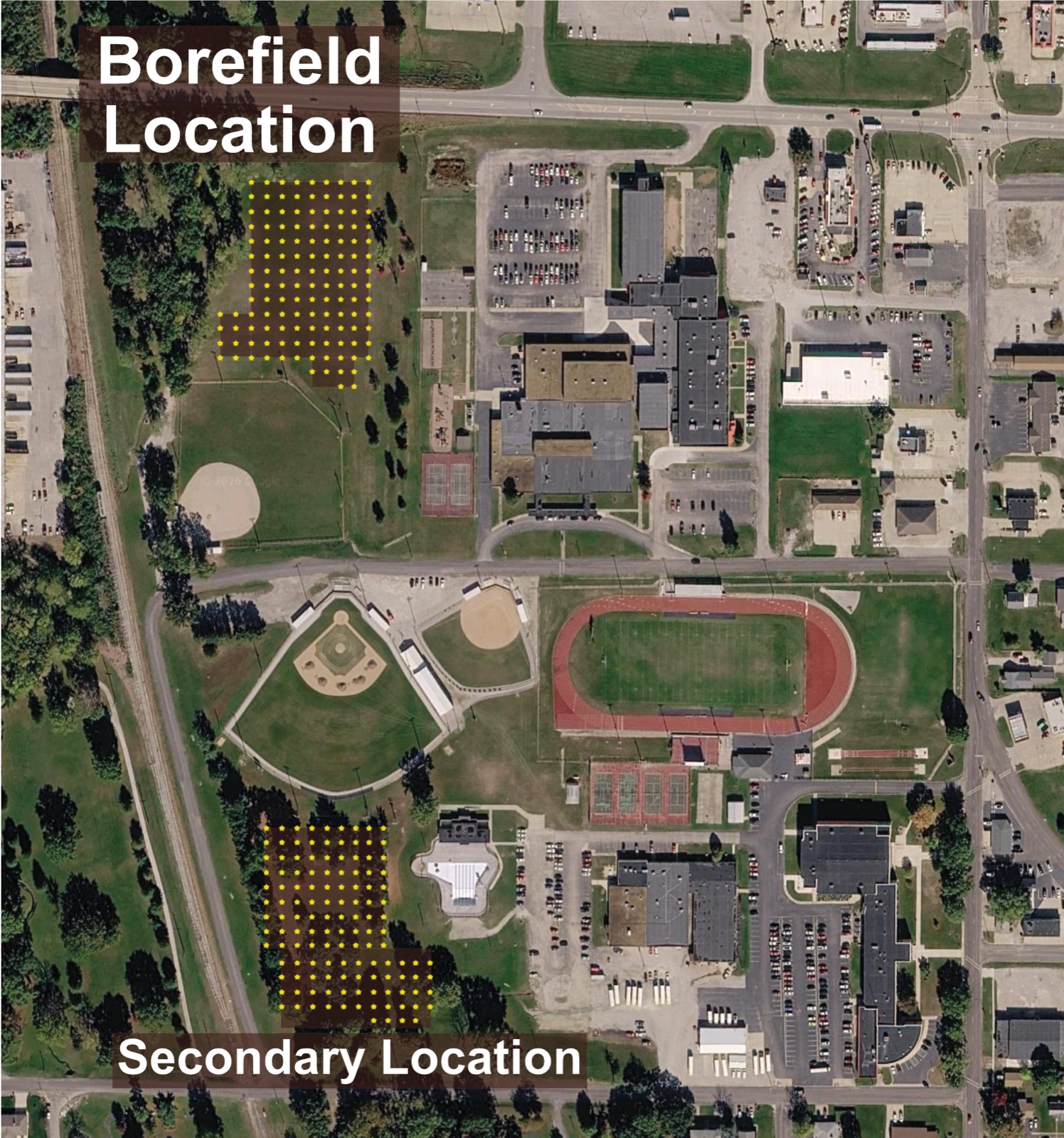
The borefield is the part of the system you will never see. It would sit beneath open ground at the school complex, holding 300 vertical wells drilled to 300 feet, based on our test well results. Each well holds a closed loop of high-density polyethylene pipe. Once complete, the surface above it can return to ordinary use: athletic fields, parking, or open ground.
 Today: gas furnace and air handler in the basement, AC unit outside.With community geothermal: heat pump, heat exchanger, and air handler in the basement. Nothing outside.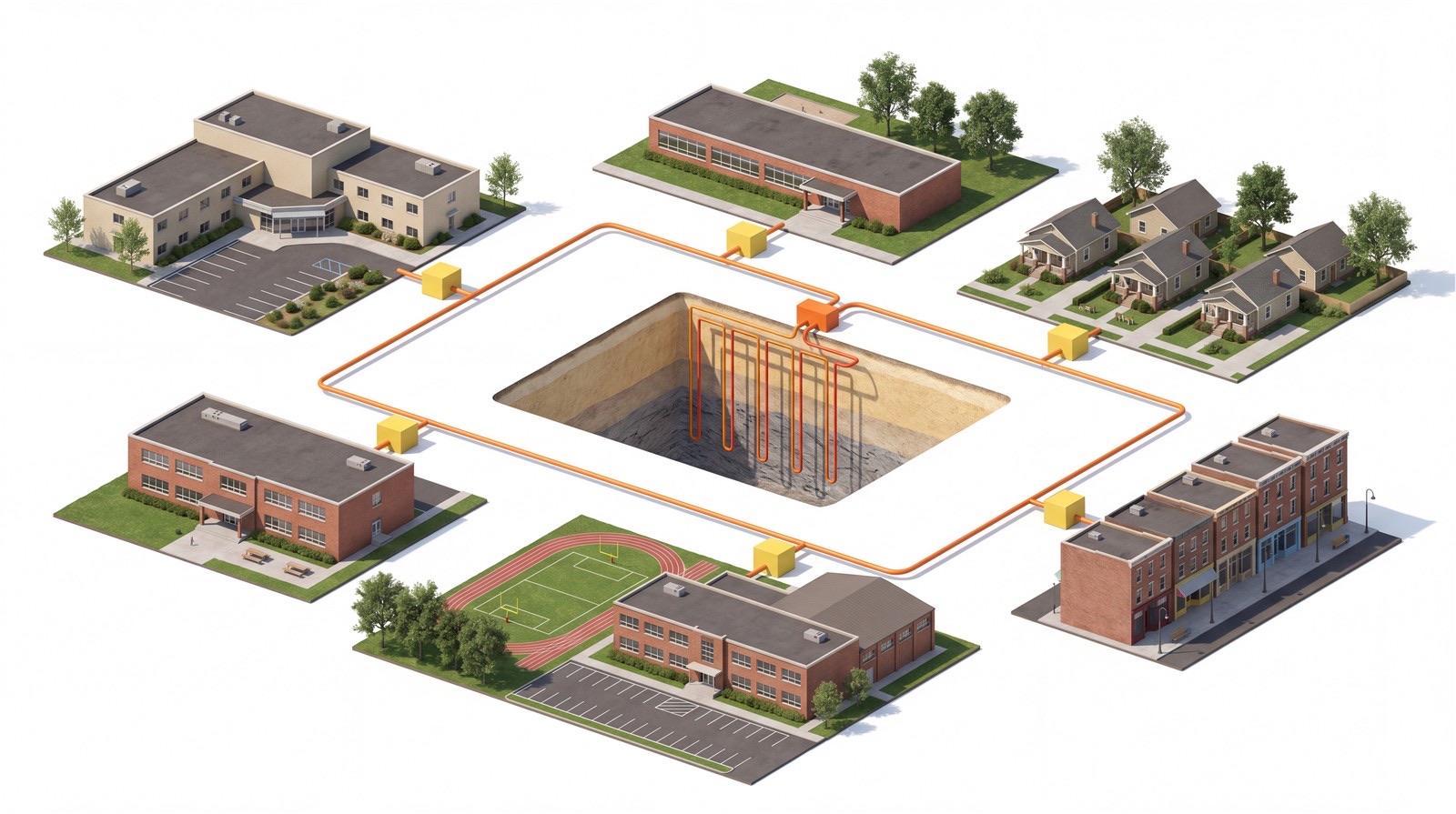
It's efficient.
Community geothermal systems are roughly 4 to 5 times more efficient than the most efficient natural gas furnace on the market.
It's not new.
Ground-source heat pumps have been in use since the late 1940s. What's new is utilities and cities deploying them at the community scale.
The wells are shallow, not deep.
The system stays in shallow bedrock, where the ground sits at roughly the average annual air temperature for the area. We are not tapping deep heat.
It fits Vandalia.
The system would replace the natural-gas-and-electric heating and cooling used today in homes, the schools, the hospital, and downtown buildings.
Select a heading to read each part.
Replaces the furnace and AC
If necessary, we will install a heat pump that will replace your current furnace and AC, but only if it's needed. If your home is in the proposed service area and you choose to participate, a heat pump connected to the shared loop can replace your furnace and air conditioner, or it can work in conjunction with those modern HVAC units without having to replace what's already operating well in your home.
Heating
When it's cold, home-heat is extracted off the network
Stored summertime heat is now reused
This efficiency translates into lower heating prices for residents.
Cooling
Cooling in summertime from the same unit
Heat in the house is put into the loop.
the loop then stores the heat in the ground
Hot water
Hot water, depending on configuration, from the same quieter, more efficient system.
Nothing outside
The heat pump is quiet indoor equipment.
No outdoor condenser.
No noise in the yard.
The loop connection is a small service tap from the street, like a water or gas line.
Steady against gas prices
Because the heat pump runs on electricity and uses the ground's stable temperature, the system protects your home from natural gas price volatility and gives you reliable comfort year-round.
Always voluntary
Participation in any future system would be voluntary. The City will hold public information sessions before any commitments are made, and the study now under way is what determines whether the project moves forward at all.
The project at a glance.
As this assessment progresses, the engineering shown in this section will be routinely updated.
Borehole count, depth, drilling length, footprint, and loop length updated September 2026 from test well results. Capacity, conditioned area, and emissions figures from the Vandalia Community Geothermal Feasibility Study (February 2026), available on request from the City of Vandalia.
Five zones, one citywide assessment.
To find the strongest fit for community geothermal in Vandalia, the city has been divided into five geographic zones. Each zone is being evaluated for building density, energy use, and resident interest.
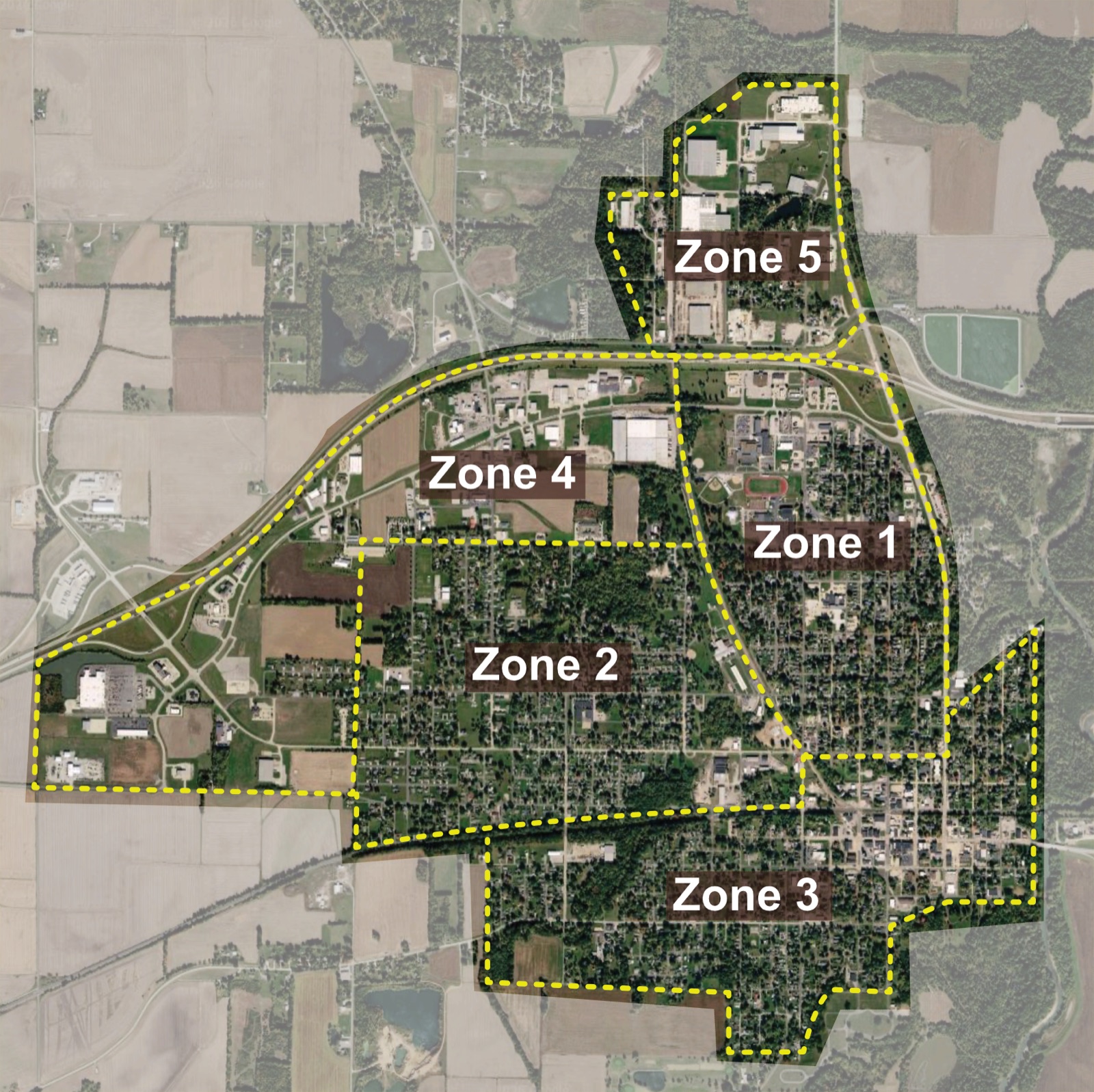
Zone 1 is the primary focus
Zone 1, anchored around the school complex and the historic core east of downtown, is the leading candidate for the first borefield. It offers the right mix of building types, schools, the hospital, residential homes, and commercial buildings, to support a viable shared loop.
Interest is welcome citywide
Interest is being gathered from every zone. Depending on how interest is distributed, the project may include more than one site, wherever a sufficient concentration of homes and buildings makes a shared loop feasible. If you live or operate a building anywhere in Vandalia, we want to hear from you.
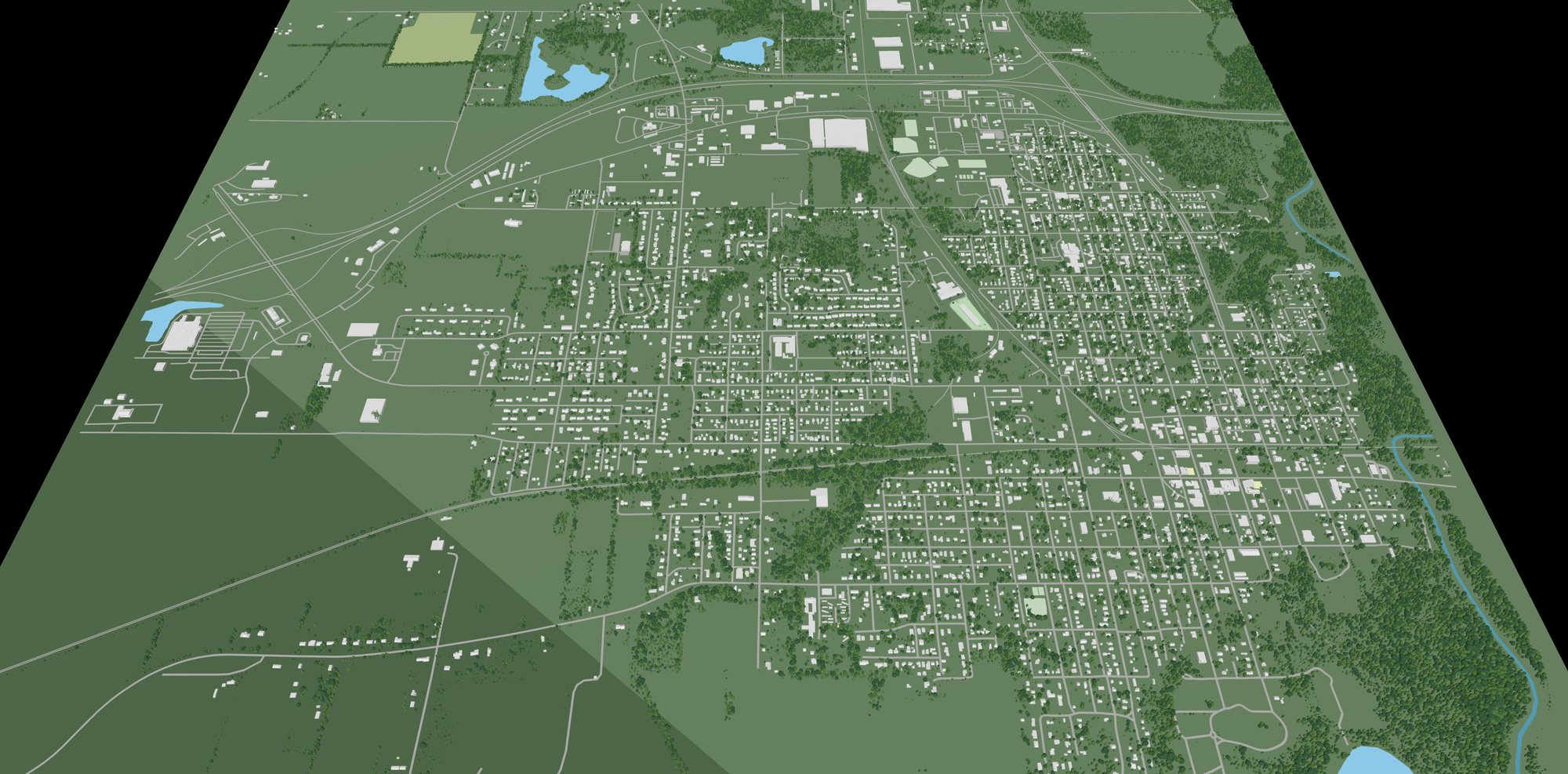
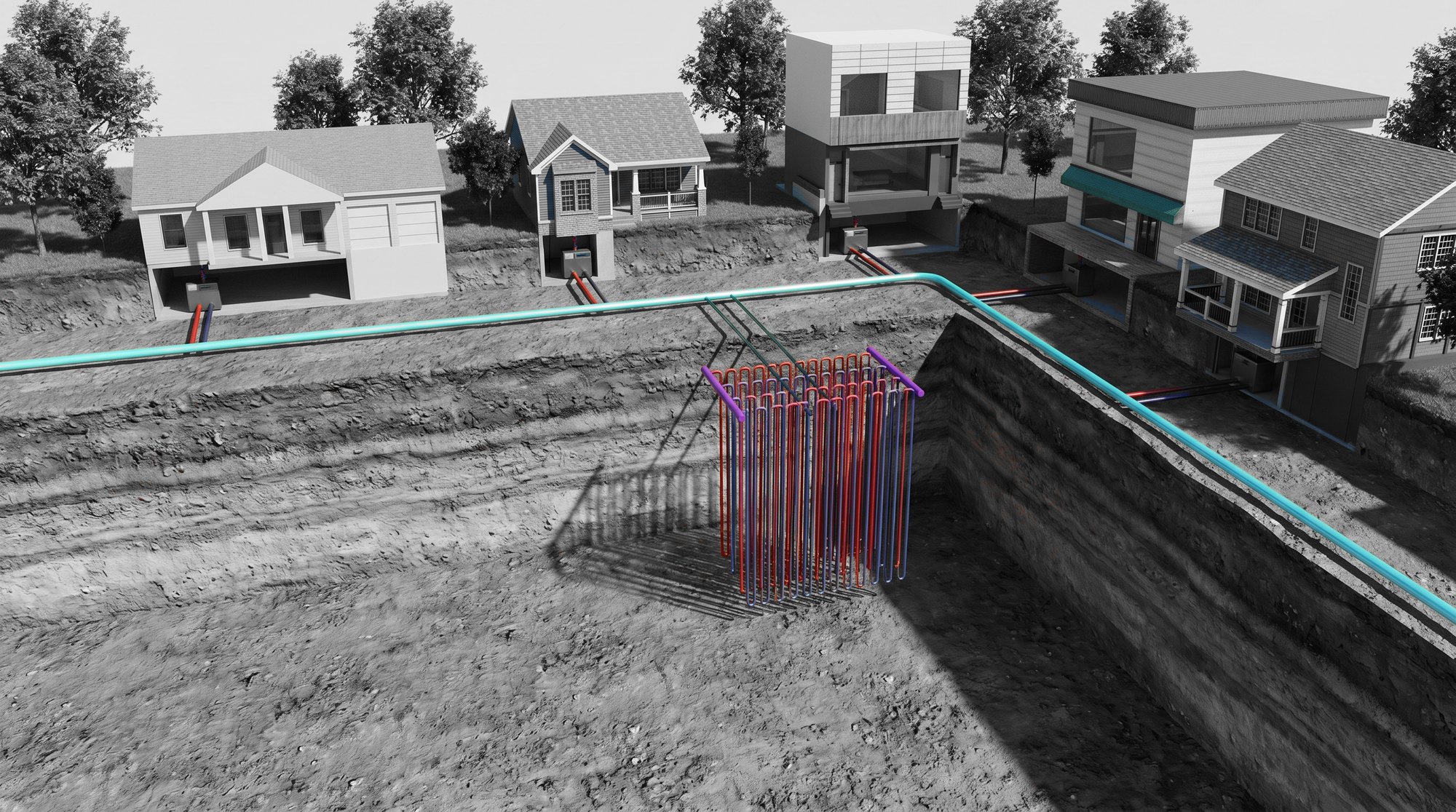
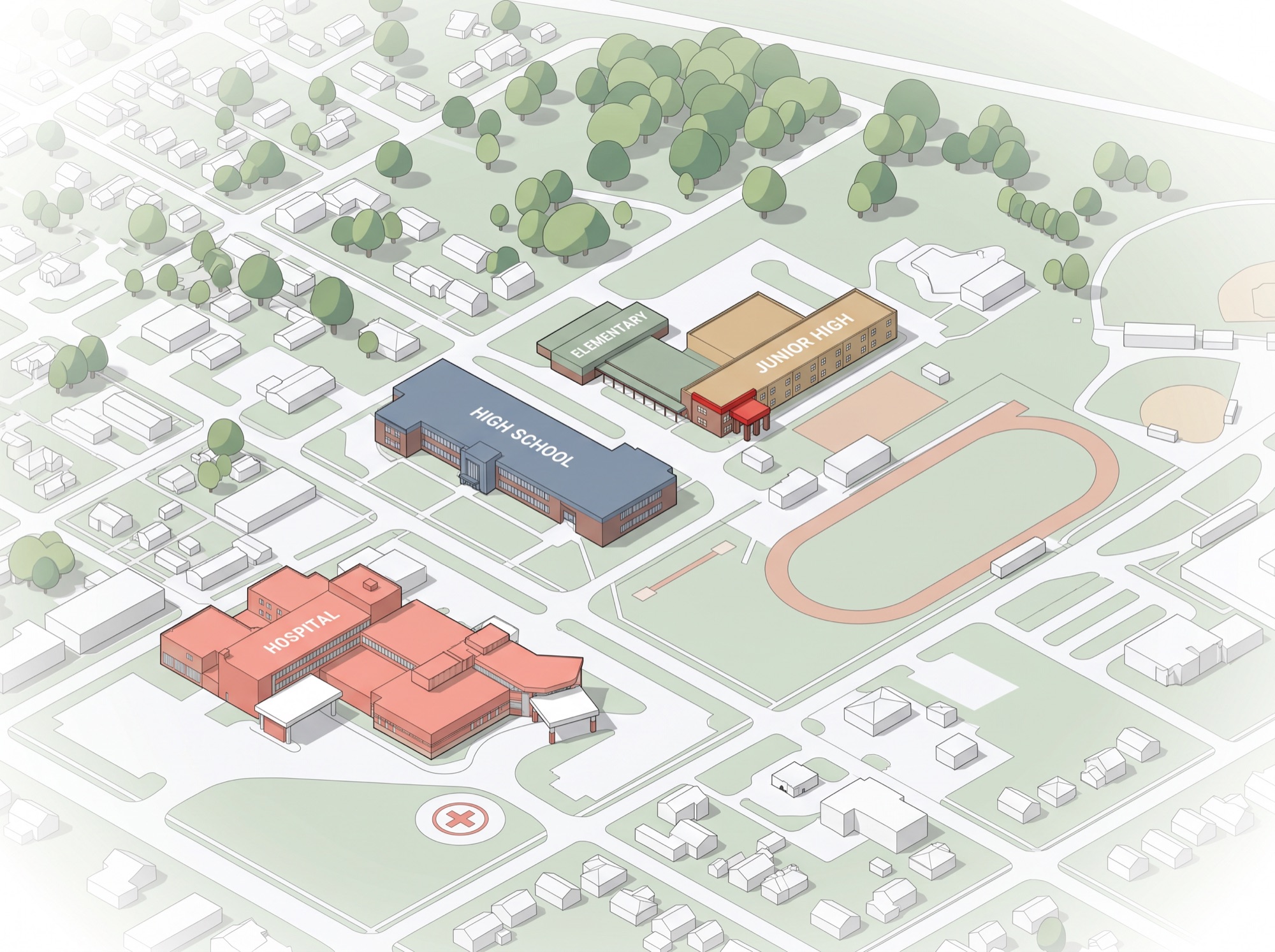
Big buildings first, then homes at their own pace.
The project is designed around an institutional anchor, the schools and the hospital, so residential homes can connect when they are ready. Cooling demand from one building can offset heating demand from another, which is part of why a shared loop is more efficient than a single home with its own well.
Community outreach, over the next six to eight months.
The City will be performing outreach within the community. Town meetings, a house-by-house survey, webinars, and educational materials.
Open public sessions to walk through the study, answer questions, and hear from residents and business owners.
A house-by-house survey of the 445 homes in the study area, asking who would take part and what heating and cooling they have today.
Online sessions for residents who can't attend in person, recorded and shared afterward.
Materials and conversations with local schools, civic groups, and community organizations.
Two videos. The full story, and the quick version.
Two ways to get to know the project. Watch the full walkthrough, or grab the one-minute version. Both are also on YouTube.
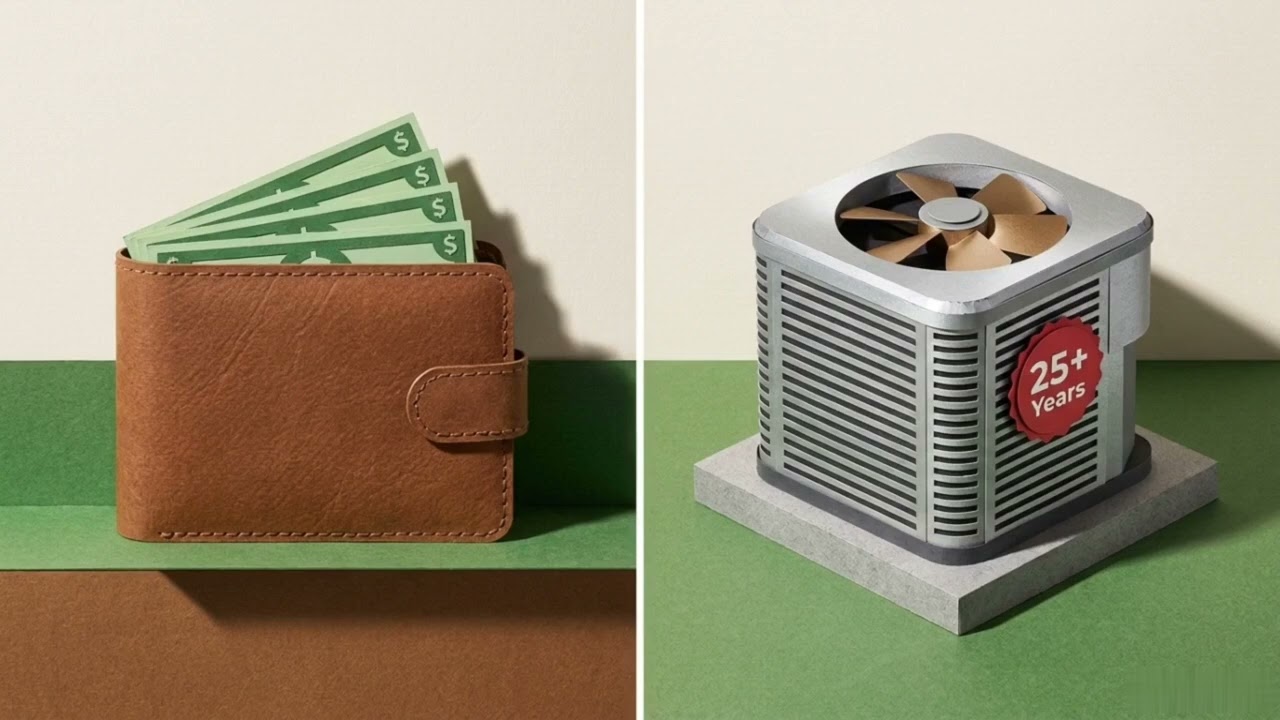
Long video. Plays here.
Short. About a minute.
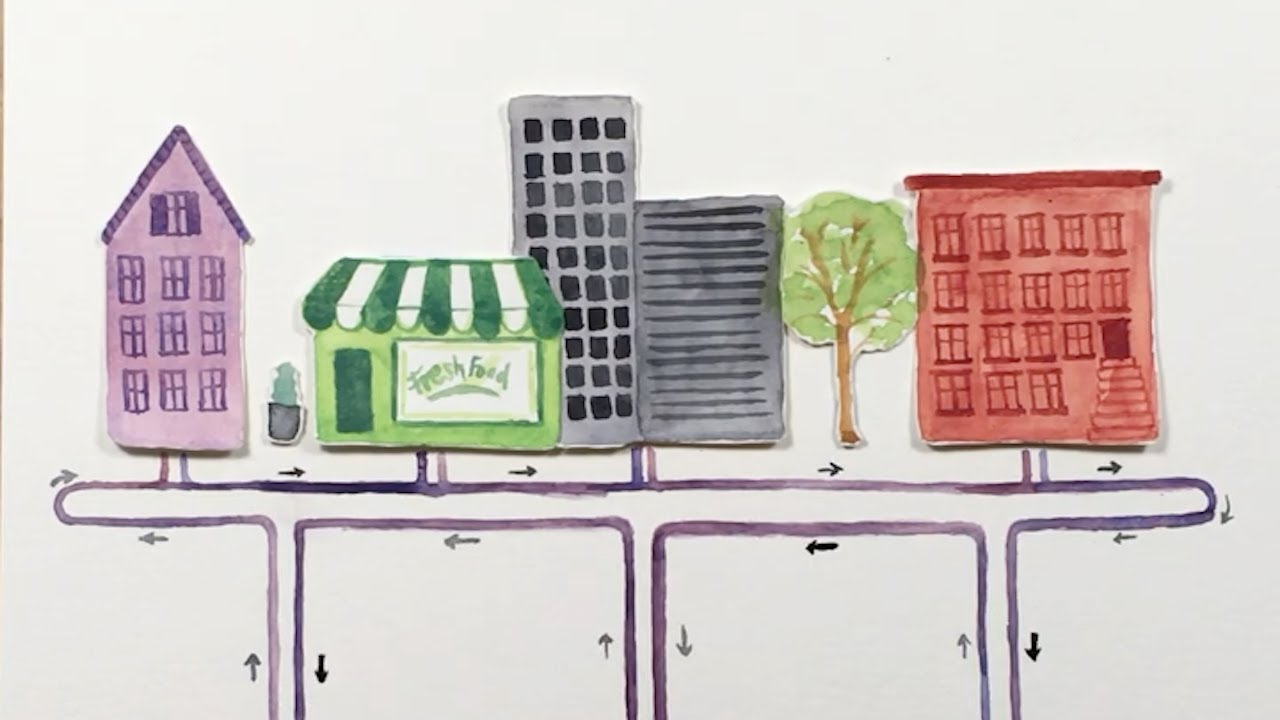
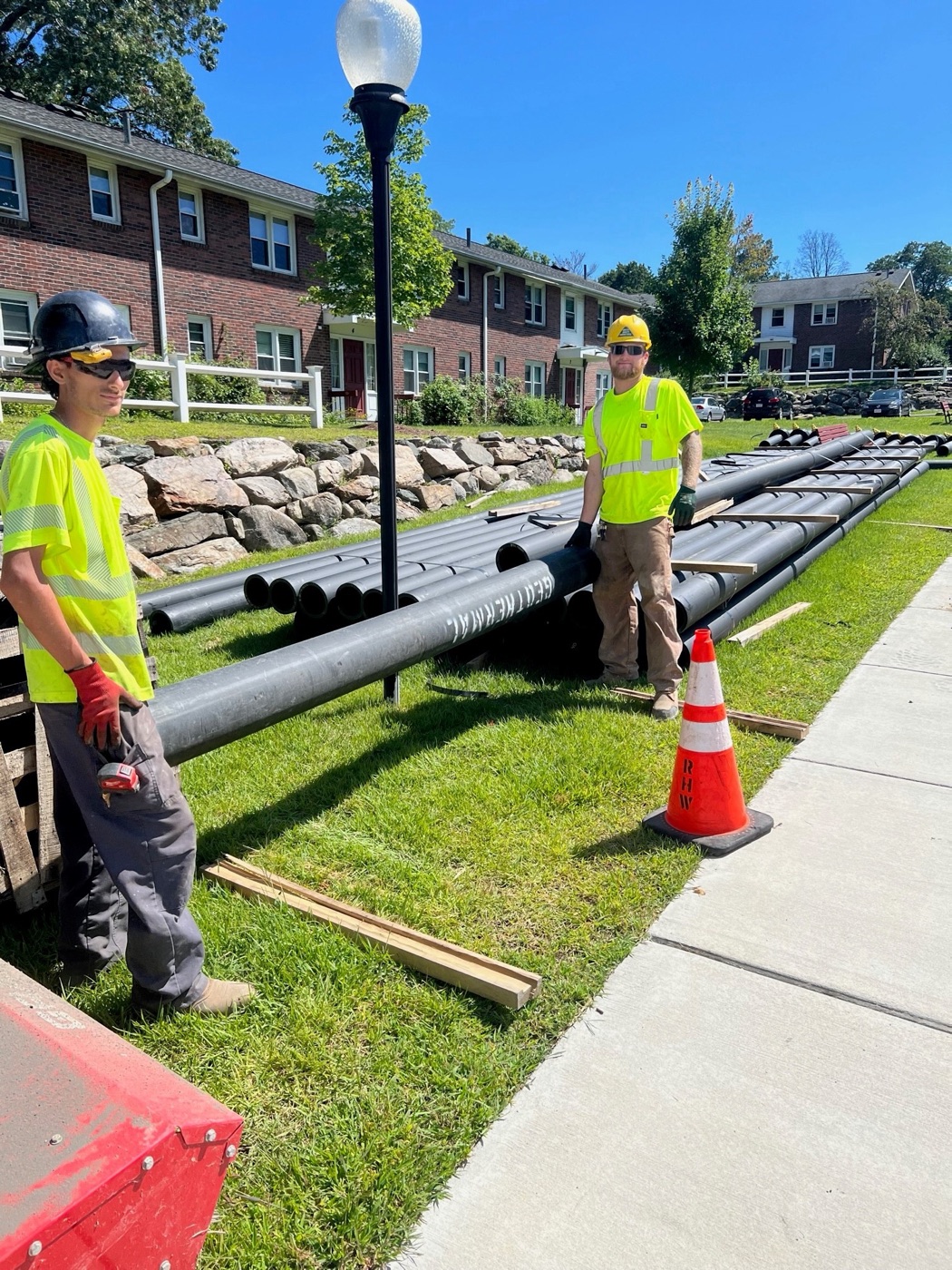
The HEET video was produced for Massachusetts, where utilities are piloting the first community geothermal networks. The technology and approach would be the same in Vandalia.
Where the study is now, and what's next.
The feasibility study is complete. The City is now sequencing community engagement, geological assessment, and federal incentive work that comes before any construction decision.
- Detailed geological survey and test boring
- Final engineering design and permitting
- Community outreach and enrollment
- Secure financing and federal incentives
- Borefield installation
- Central plant
- Connections at the schools, hospital, and commercial core
- Distribution loop build-out
- Residential connections
- Individual heat pump installations
- Commissioning and testing
- Performance monitoring and optimization
- Additional residential connections
- Tours and community education
Questions Vandalia residents are asking.
Short answers. If yours is not here, write to info@vandaliageothermal.com.
Will I be required to participate?
What happens to my furnace and AC?
Will my yard be torn up?
How long does the system last?
What's the environmental benefit?
How is this different from a single home with a geothermal heat pump?
How can I follow the study?
Looking for more? Independent resources and project documents.
Community geothermal is a relatively new technology at this scale. Several independent organizations have built up extensive technical and policy resources. These are good places to go deeper.
- Vandalia Community Geothermal Feasibility Study (Feb 2026)Full technical analysis of the proposed system. Available on request from the City. Link pending.
- Presentation to the Town (June 2026)Download the slides (PDF)
- First town meeting flyerView the advertisement · PDF
- Comparable systemsBall State University (Muncie, IN), St. Paul District Energy (St. Paul, MN), Boise Warm Springs Water District (Boise, ID).
- HEET (Home Energy Efficiency Team)Massachusetts non-profit central to community geothermal as a regulated utility service. heet.org · Data bank · What is gas to geo
- Eversource Geothermal Pilot Program (Framingham, MA)The closest active analog to what Vandalia is studying. framinghamma.gov
- U.S. Department of Energy: Geothermal Heat PumpsPlain-language explainer of the underlying technology. energy.gov · Earlier Energy Saver page (archived)
Are you interested? Let us know.
If you live or own a business in Vandalia and want to be part of this study, share your information here. We will keep you posted on town meetings, webinars, and opportunities to participate.
Or send us an email at info@vandaliageothermal.com.